Feiyi
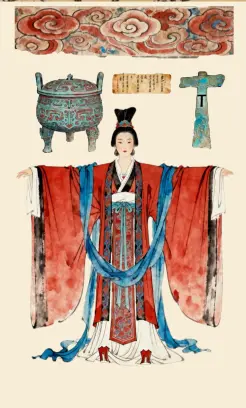
The T-shaped silk painting of Xin Zhui from Mawangdui Tomb 1 reflects an ancient philosophy of life and death.
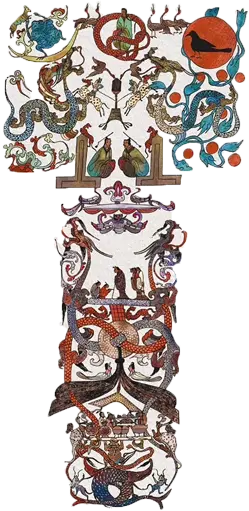 The picture of
the heavenly world The scene of
the world The underground
world
Changsha, an ancient city that has been baptized for three thousand years.
From the thousand-year-old secrets of Mawangdui to the thousands of volumes of books under Yuelu Mountain, the years have left their mark on the ruins of the ancient arcade and the ruins of the city wall.
Follow the vein of history, touch the past of the city, and understand the style and spirit of Changsha for thousands of years. Turn this page to read the years of the ancient city and the past of the star city.
ContinueThe ancient city of Changsha is scattered among the historical sites.
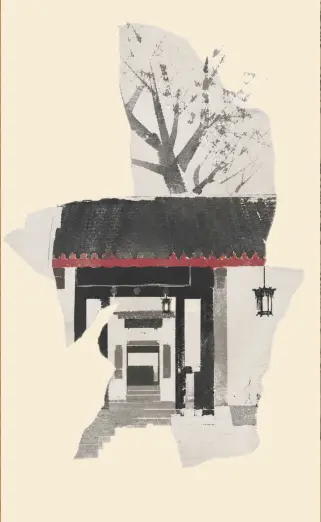
Yuelu Academy, the wind of teaching for thousands of years; the tomb of Mawangdui Han, the secret collection of Western Han civilization; Tianxin Pavilion, guarding the old wall of the ancient city; the Qin bamboo references, showing the changes of history; Taiping Ancient Street, the fireworks of the old city; Kaifu Temple, reading the eternal flow of the Xiangjiang River.
One ruin after another, witnessing the ups and downs of the star city for three thousand years.
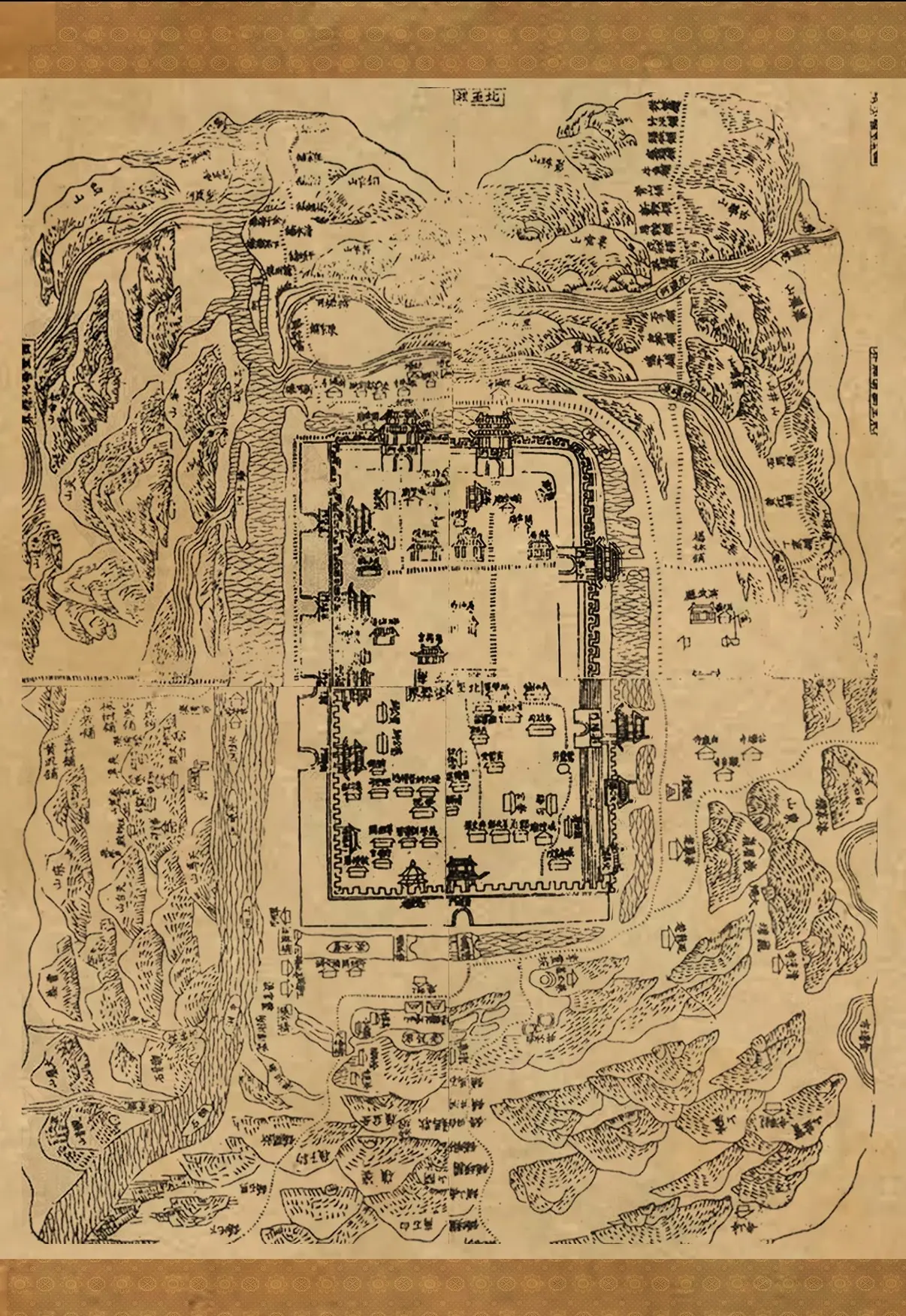
Yuelu Academy has shaped the soul of Huxiang culture since its establishment over a thousand years ago.
Studying is not only about studying scriptures, but also about the morality of life and serving society. This idea has been passed down through the generations.
Northern Song Dynasty: Zhu Dong, the governor of Tanzhou, founded Yuelu Academy.
1015
Emperor Zhenzong of the Song Dynasty gave the imperial plaque “Yuelu Academy”.
Southern Song Dynasty: Zhu Xi visited and carried out the “Zhu Zhang Hui Lecture” with Zhang Shi, creating a pioneer of the college lecture.
Yuan, Ming and Qing Dynasties:
It was repeatedly damaged by war and rebuilt many times.
At the end of the Qing Dynasty, the college system changed into Hunan Higher Education Hall.
The upper part of human beings.





The T-shaped silk painting of Xin Zhui from Mawangdui Tomb 1 reflects an ancient philosophy of life and death.
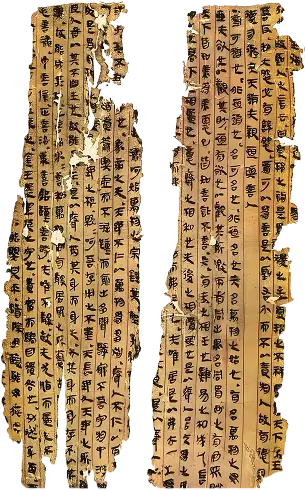
The picture ofCopied on silk, the unearthed Tao Te Ching manuscripts are one of the important sources of traditional classics.
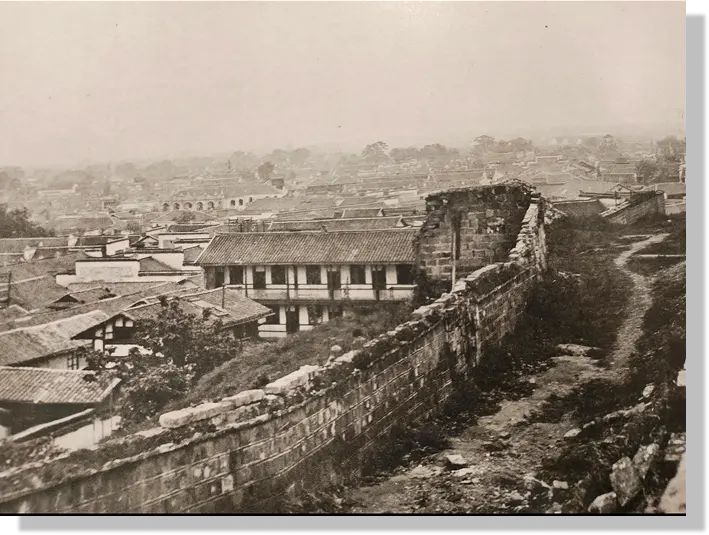
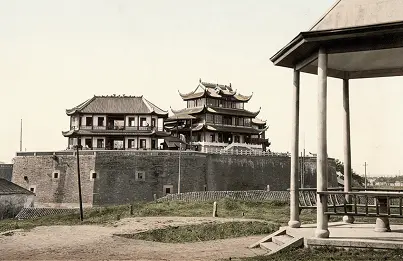
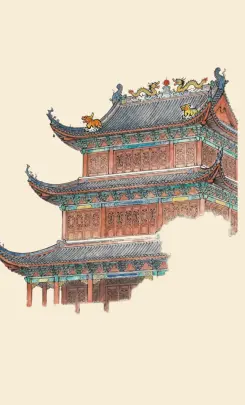
It was originally known as “Tianxing Pavilion” and was originally used for observing constellations in the Ming Dynasty.
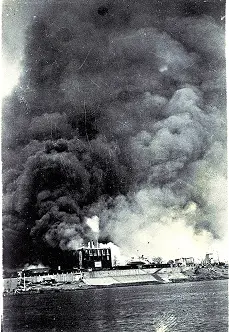
In 1938, the “Wenxi Fire” burned down the entire attic, and only the base of the city wall was left.
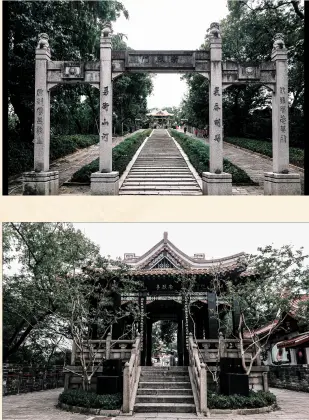
The main body is a three-story pavilion-style building with flying eaves and corners, and the pavilion overlooks Changsha City.
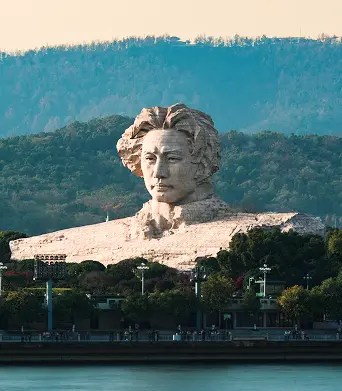
It was officially developed on December 26, 2009.
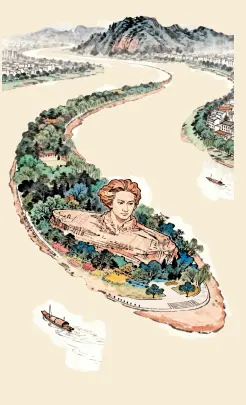
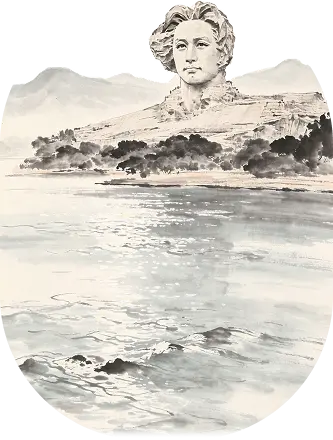
In 1925, the 32-year-old Mao Zedong returned to his hometown and stood at Juzi Island.
Facing the endless flow of the Xiangjiang River.


This is a static demonstration. An account service has not been connected.